
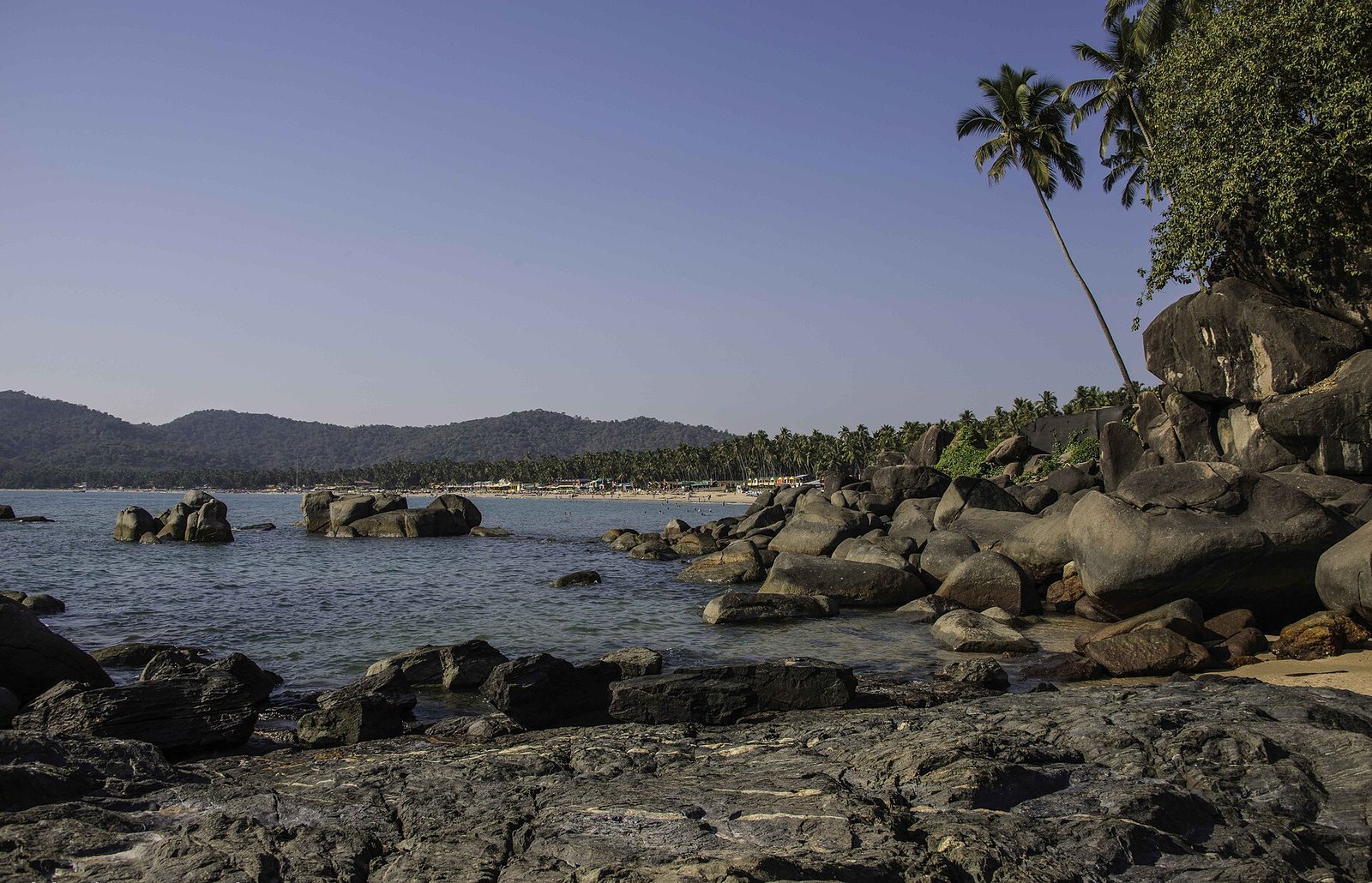
Best time to visit Goa: a month-by-month guide
Goa's weather, sea, crowds and festivals month by month, built on official climate averages for Panaji, with what each season means from Calangute.
Read the guide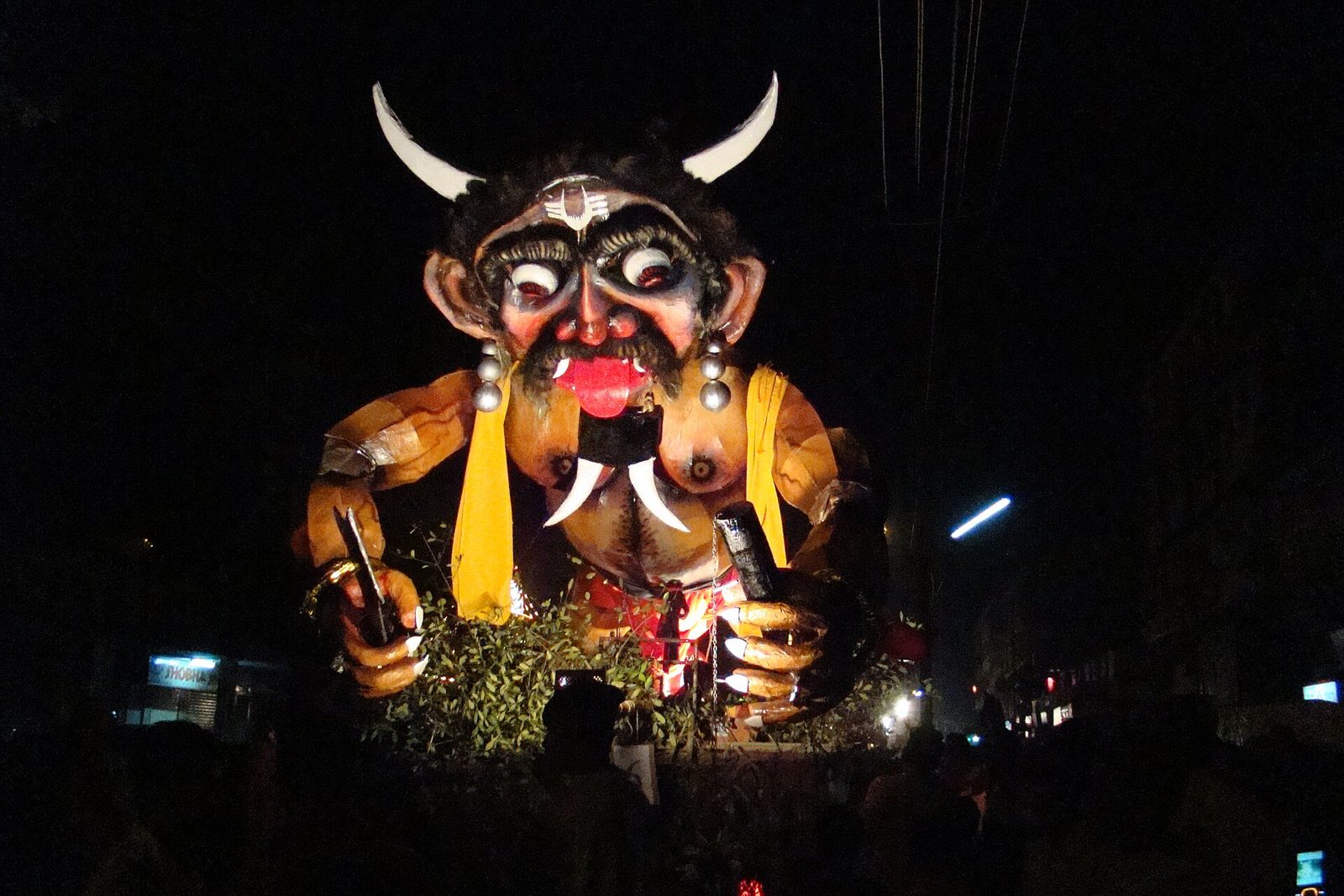
What Goa's Narakasur night is, when the effigies burn in 2026, where to see them from Calangute, and how to watch safely after dark.
Narakasur is the demon Krishna defeated. On Diwali eve, Goan neighbourhoods display towering effigies of him through the night and burn them by dawn. In 2026 that is the night of Saturday 7 into Sunday 8 November.
Goa's Diwali has its own big night, and it comes first. On the eve of Naraka Chaturdashi, neighbourhood groups across the state put up giant effigies of the demon Narakasura, known in Goa as Narkasur, and set them alight before Diwali morning. In 2026 the effigies are out on the night of Saturday 7 November and burn by dawn on Sunday 8 November, which is also Goa's Diwali public holiday.
It is a street festival rather than a ticketed show: the figures stand at road junctions, in village squares and on open grounds, and anyone can watch. India's official tourism listing for the festival, which credits Goa Tourism, suggests heading out from about 8 PM, as the crowds and the music build towards midnight.
In the best-known version of the story, Narakasura was a demon king, the son of Bhudevi, the Earth goddess. He won a boon that only his mother could kill him, grew arrogant and cruel, and held women captive. Krishna went to fight him with his wife Satyabhama, herself an avatar of Bhudevi, and they killed him just before dawn. The freed women lit oil lamps in celebration.
Burning the demon re-enacts that victory of good over evil and light over darkness. You will see the name spelt several ways: Narakasura in most retellings, and Narkasur or Narakasur on Goan posters and in the local papers.
Each effigy belongs to a neighbourhood. The boys of a waddo (ward) or housing society agree on a design and build it over late evenings, nights and holidays, and local businesses and politicians often chip in for materials. Themes come from mythology, India's moon and Mars missions, world politics, the environment and social issues.
The build is part carpentry, part sculpture. Wooden poles and planks form the skeleton; hay, sacks, coir rope, layers of newspaper and old clothes fill out and cover the body; and ready-made papier-mâché faces, arms and feet are bought in. The larger figures are built on thin iron frames, many stand 20 feet (about 6 m) or more, and the most ambitious take weeks of work.
From early evening, finished effigies stand lit up at junctions and in village squares, each with its own sound system. People drift from one display to the next, and the music and the crowds build towards midnight. In 2025, Panaji and the towns around it put up a record number of effigies, and people came out with umbrellas and rainwear despite a steady drizzle.
Competitions add a second layer. In many places a committee, appointed by the government or by local residents, judges the effigies before they are burnt, and the winners take cash prizes. Venues, judging times and prizes are set locally and change every year.
Then the demon burns. The effigy, stuffed with firecrackers, is doused with a little petrol and set alight, while some of its builders stand by with buckets of water until only embers are left. The legend points to the hour before dawn, when Krishna won, but many neighbourhoods light theirs around midnight, and several effigies are sometimes carried to one ground and burnt together.
Naraka Chaturdashi follows the Hindu lunar calendar, so the date moves every year. In 2026 it falls on Sunday 8 November, Goa's Diwali public holiday, which puts the effigies out on the Saturday night. Competition venues and start times are announced locally in the days before, so check the Goan papers that week. The key dates for 2026:
You do not have to go far. Calangute is in Bardez taluka, and the official listing points visitors to Mapusa, Bardez's main town, and the villages around it, where Narakasur is a string of neighbourhood displays rather than one organised event. The pleasure here is in moving slowly between village squares and residential lanes and coming across effigies as you go.
For many effigies close together, go to Panaji, 13 km from the resort. The same listing singles out the Taleigao, Bhatlem and Mala belt and the neighbourhoods around St Inez, where groups of spectators move from one display to the next. Expect temporary traffic restrictions near the main displays, so plan to be dropped off and to walk between them.
Margao, Vasco and Ponda celebrate too, but each is a long late-night round trip from Calangute, so most guests are better served by Bardez and Panaji. Our Front Desk is open 24 hours and can arrange a car with a driver for the evening, which spares you parking and late-night driving.
The night is good-natured, but it mixes fire, firecrackers, loud music, crowds and late traffic. Getting home is the part people forget: if you will need a cab in the early hours, arrange it before you set out, and see our guide to taxis and cab apps in Goa for the options. A few habits keep the night easy:
Once the demon has burnt, families go home for the part of Diwali that visitors rarely see. Before sunrise comes a ceremonial oil bath (abhyanga snan), and a small bitter fruit called kareet is crushed underfoot, one last stamp on Narakasura. Then comes fov, flattened rice (poha) prepared several ways, with jaggery and coconut, coconut milk, curd or buttermilk, and shared with family and friends alongside Diwali sweets.
Through the festival, akash kandil lanterns hang at house entrances and earthen lamps are lit by the door, and on the evening of Diwali, Lakshmi Puja is performed, most visibly in shops. As with Chovoth, Goa's Ganesh Chaturthi, this is a family festival at heart: enjoy the lanterns from the street and treat homes as private.
The early evening suits children best, when the figures are lit and the crowds are thinner. Firecrackers and late crowds are hard going for babies and toddlers, so bring ear defenders, see the displays between 8 and 10 PM and head back before the midnight burnings.
The idea is similar, but the demon and the date differ. In much of North India, Ravana effigies burn at Dussehra, which fell on 20 October in 2026; Goa's Narakasur effigies burn on the eve of Diwali, nearly three weeks later.
Diwali follows the lunar calendar and usually falls in October or November, so the date changes every year; panchang calendars point to late October in 2027. The Government of Goa confirms the Diwali holiday in its annual list (the 2026 list came out in October 2025), and the effigies come out the night before.
Often, yes. In the evenings and on holidays before Diwali eve, half-finished figures take shape in village lanes and open plots. Watch from the road, and ask before photographing anyone or stepping into a work area.
You are welcome to watch, cheer and take photographs from a respectful distance. The building, the burning and the family rituals belong to the neighbourhood groups and households, so take part only if you are invited.
Photo: Diwali Narakasur at Mhapusa Goa by Dakutaa, CC BY-SA 3.0, via Wikimedia Commons.
Questions about any of this — or a stay to plan around it? Our team replies within a day.
Goa's weather, sea, crowds and festivals month by month, built on official climate averages for Panaji, with what each season means from Calangute.
Read the guide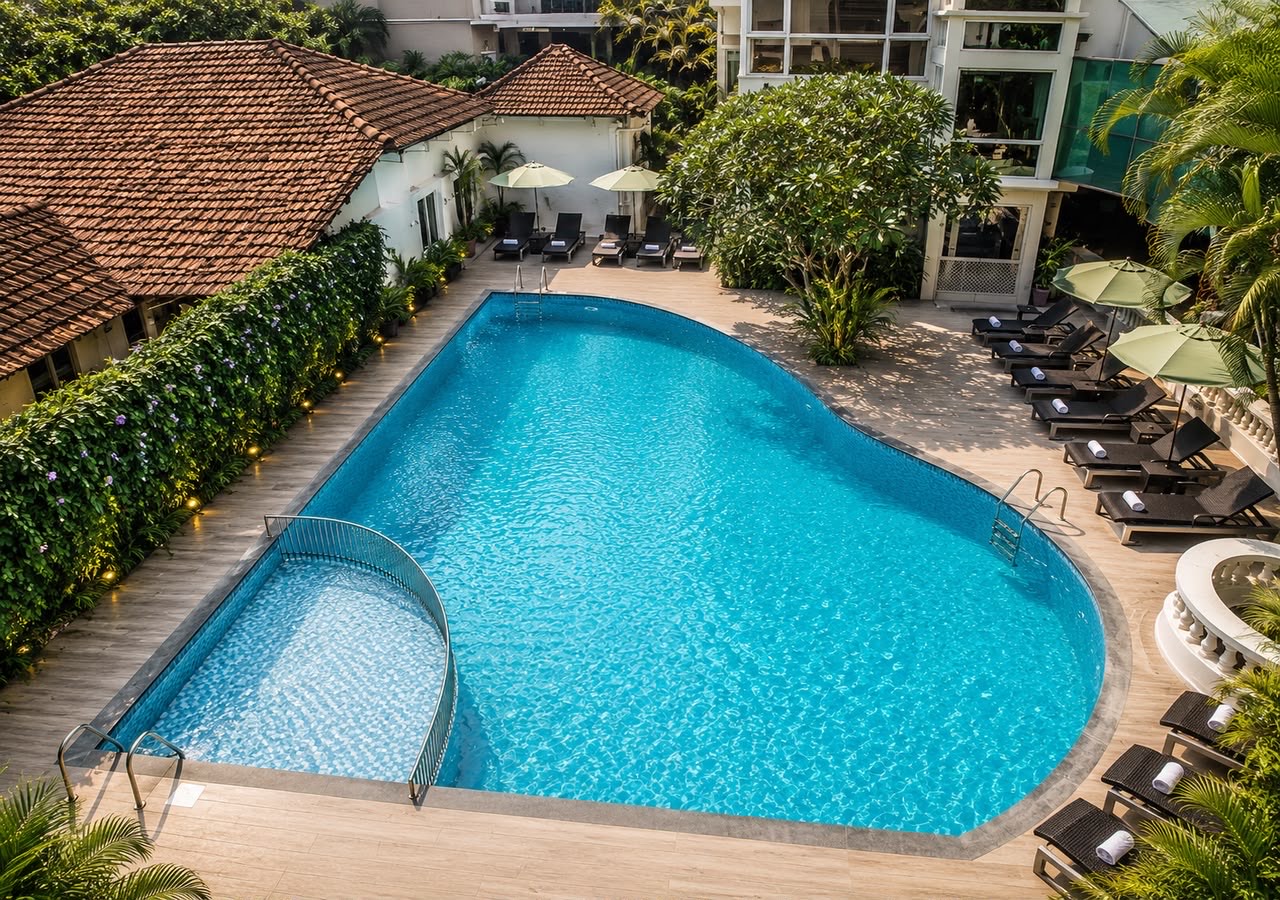
How to take North Goa's busiest beach at your own pace — mornings on the sand, lazy afternoons, and where the lanes lead after dark.
Read the guide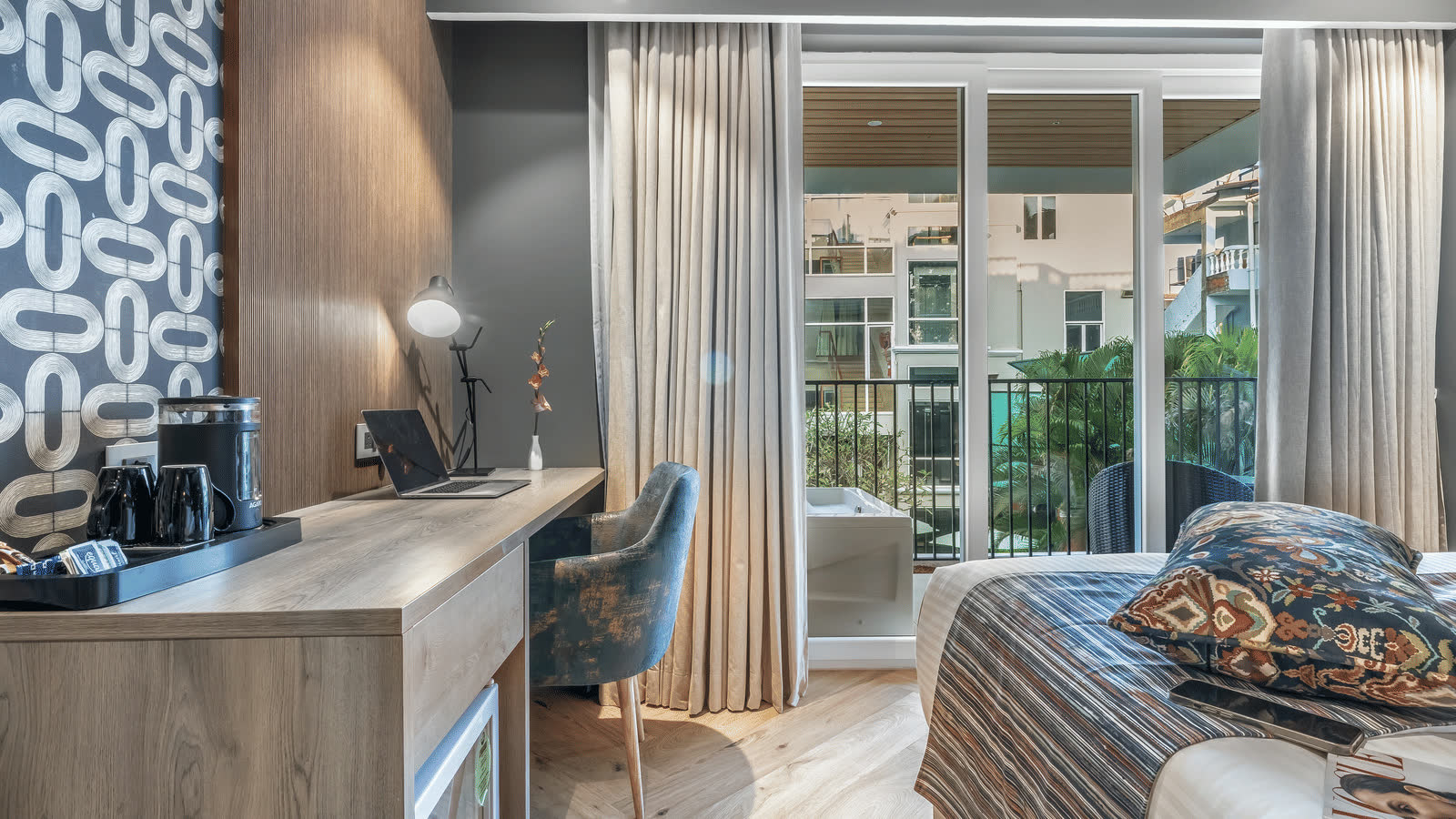
Two days, two moods — one for the coast and its colour, one for the churches, temples and old lanes that made Goa, Goa.
Read the guide