

Visiting Old Goa's churches: opening times, dress code, relics
Opening hours for the Basilica of Bom Jesus and Sé Cathedral, the Sunday and Friday catches, what to wear, and where St Francis Xavier's relics rest.
Read the guide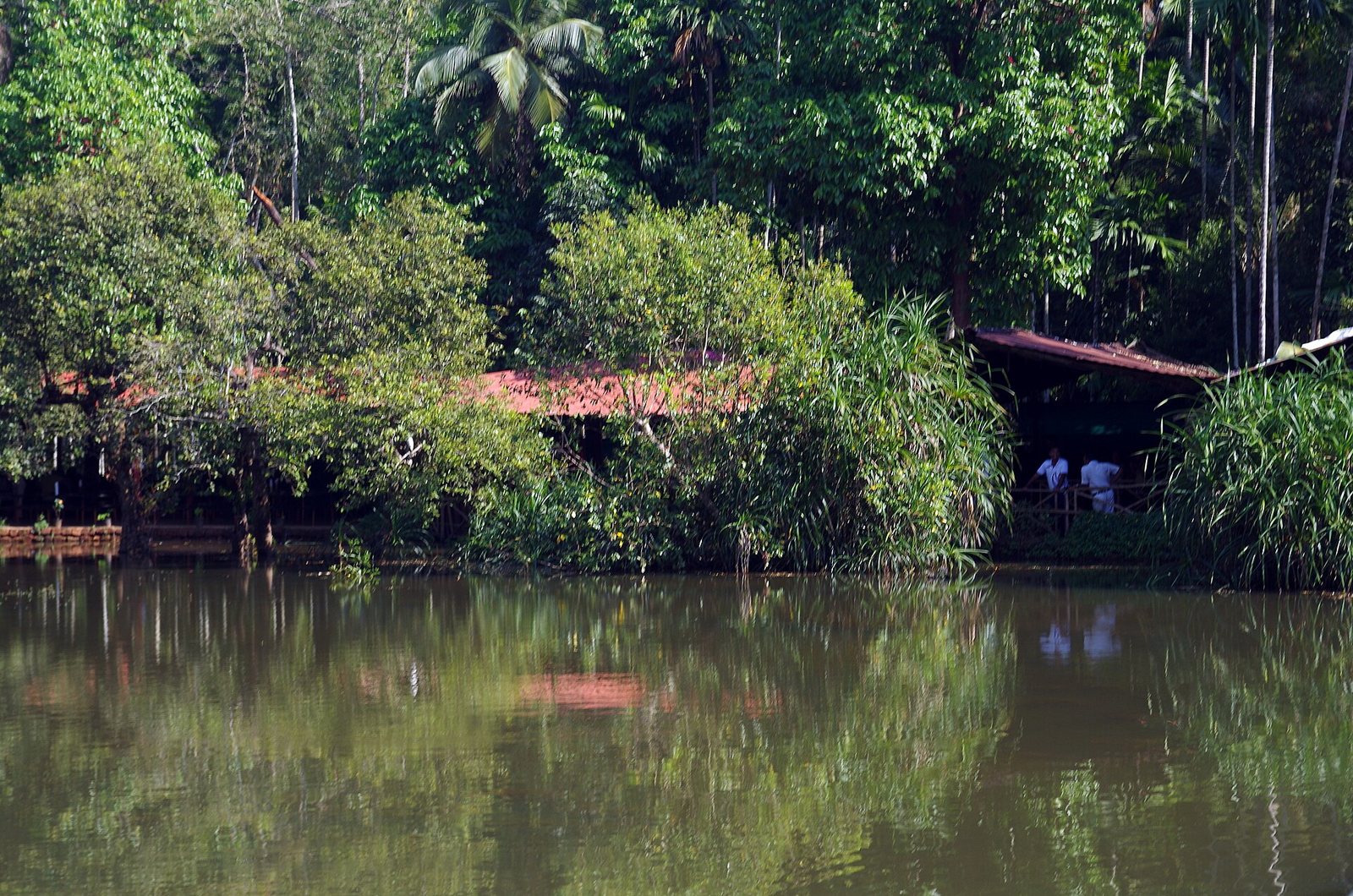
How four well-known Goa spice farms differ in size, setting and food, what a visit involves, who each suits, and how to plan the day from Calangute.
Choose Sahakari for a first visit near Ponda's temples, Savoi for a family farm and Saraswat meal, Tropical for butterflies and a lake, Pascoal for plant lovers. Each pairs a guided walk with lunch, about an hour beyond Panjim.
Four of Goa's best-known spice farms are working plantations in Ponda taluka, inland from Panjim (Panaji), and a visit follows the same gentle pattern at each: a guide walks you through the plantation, points out pepper, cardamom, nutmeg and other spices growing, and then sits you down to a Goan lunch. The four compared here are Sahakari at Curti, Savoi at Savoi Verem, Tropical at Keri and Pascoal at Khandepar.
They differ in size, setting and food, and that is what should decide your choice. Sahakari is large and well used to visitors, Savoi is a smaller family farm, Tropical adds a butterfly garden and a lake, and Pascoal suits anyone who loves plants.
Every one of them follows the walk with lunch. The details below come from the farms' own websites and a June 2024 Gomantak Times round-up. We could not find a working official website for Savoi or Pascoal, so confirm they are taking visitors, and at what times, before you set off.
You arrive, meet your guide and set off on foot through the plantation. The walk is the heart of the visit. At Tropical, for example, it takes in black pepper, cardamom, nutmeg, vanilla, cinnamon, cloves and chillies among cashew trees, areca palms and fruit, with curiosities such as allspice and coffee. Guides explain how the spices are used in cooking and in traditional remedies, and Sahakari says its visitors get both the theory and the practical uses.
Lunch is part of the visit, not an afterthought. Tropical serves a Goan spread on banana leaves, with chicken xacuti, prawn curry and vegetarian dishes, and offers cashew feni or urrak to try. Sahakari serves a traditional Goan lunch in a rustic restaurant set among the trees, and at Savoi the family does the cooking. What is included, and what it costs, is set by each farm and changes, so confirm both when you call.
Aim to arrive by late morning, so the walk runs straight into lunch. Tropical lists 4 PM as its closing time, so an afternoon start leaves little room; check the others' hours when you call.
There is no single best farm, only the right one for your group. This is how we would choose.
Panjim is 13 km from Ocean Palms Goa (see our location page for other distances), and the farms lie beyond it: Savoi about 50 minutes' drive from Panjim, Pascoal 39 km, and Sahakari and Tropical close to Ponda town. As a rough guide, allow about an hour and a half each way from Calangute, and more when traffic around Panjim is heavy.
With Sahakari's two to three hours for the tour and lunch, a farm fills most of a day, and adding a temple in the morning should still get you back by late afternoon. The simplest way to go is a car with a driver: as our FAQs note, our Front Desk can help plan spice-plantation visits and arrange a chauffeur-driven car. If you book a taxi yourself, agree the route, the waiting time and the return before you leave.
A scooter is possible, but it is a long, hot ride on busy main roads. Rider and pillion must both wear helmets, and the feni at Tropical is off the list: never ride or drive after a drink. If you are weighing a farm against other outings, our guide to day trips from Calangute sets out what realistically fits into a day.
Ponda taluka is home to many of Goa's best-known Hindu temples, so a farm and a temple make a natural day out. Shri Mangesh at Priol and Shree Shantadurga at Kavlem both sit close to Ponda town, and Sahakari at Curti is a short drive from either.
Go to the temple first, while the morning is cooler, then walk the farm and stay for lunch. Dress modestly, with shoulders and knees covered, wear shoes that slip off easily at the temple door but can still handle a farm path, and check opening and aarti times on the day. Our half-day guide to the Mangueshi and Shantadurga temples covers both in detail.
Between June and September a farm is one of the better outings of the season: the planting is at its greenest and much of the walk is under the trees. Paths turn muddy and slippery, so wear shoes with grip, carry an umbrella and check the farm is running tours that day. If the India Meteorological Department has a heavy-rain warning out for Goa, save the trip for another day. Our monsoon guide explains what else changes in the rains.
From November to February, with the rains over and the heat lower, mornings are the most comfortable time for a walk. In April and May, start early, take water and a hat, and keep the walk short for small children and older travellers. Insect repellent is worth packing at any time of year.
Older guides and reviews mention elephant rides and baths at some farms. In June 2018 Mongabay reported that a Supreme Court interim order of 29 March 2016 had suspended commercial elephant activity in Goa pending a final ruling, and we have not been able to confirm any farm offering it in 2026. If you are offered an elephant ride or bath, we would suggest leaving it out of your day.
Tropical's website lists vegetarian dishes alongside chicken xacuti and prawn curry. For Sahakari, Savoi and Pascoal, and for Jain or vegan needs, ask when you call ahead.
Sahakari and Tropical both take booking enquiries through forms on their websites. Calling ahead is sensible for any of the four, especially on public holidays and in heavy rain.
The tour is on foot along farm paths, so ask the farm how long the walk is and whether a shorter route is possible. We have not been able to confirm step-free or wheelchair access at any of the four.
Tropical's website advertises organic and Ayurvedic products made from its own produce; at the others, ask when you arrive. Prices are set by each farm, so compare before you buy in quantity.
Photo: IN-Goa-Ponda-Spice-lake-arakere by Balou46, CC BY-SA 4.0, via Wikimedia Commons.
Questions about any of this — or a stay to plan around it? Our team replies within a day.
Opening hours for the Basilica of Bom Jesus and Sé Cathedral, the Sunday and Friday catches, what to wear, and where St Francis Xavier's relics rest.
Read the guide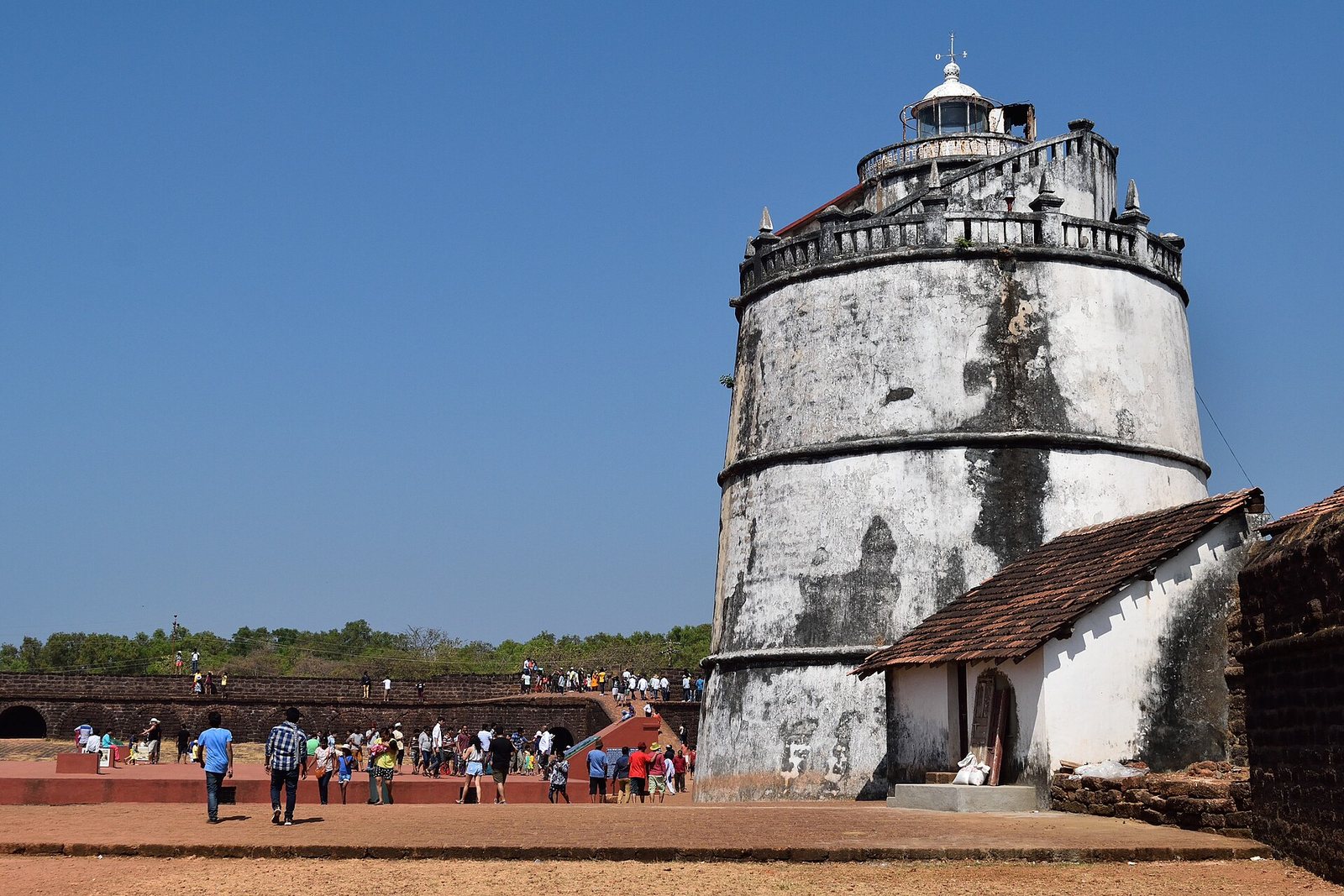
What you actually see at Aguada, Reis Magos and Chapora, how far each is from Calangute, when they open, and which to choose for a free half-day.
Read the guide
Forts, beaches, basilicas and two very Goan festivals — what's within reach of the resort, and how far each one is.
Read the guide