
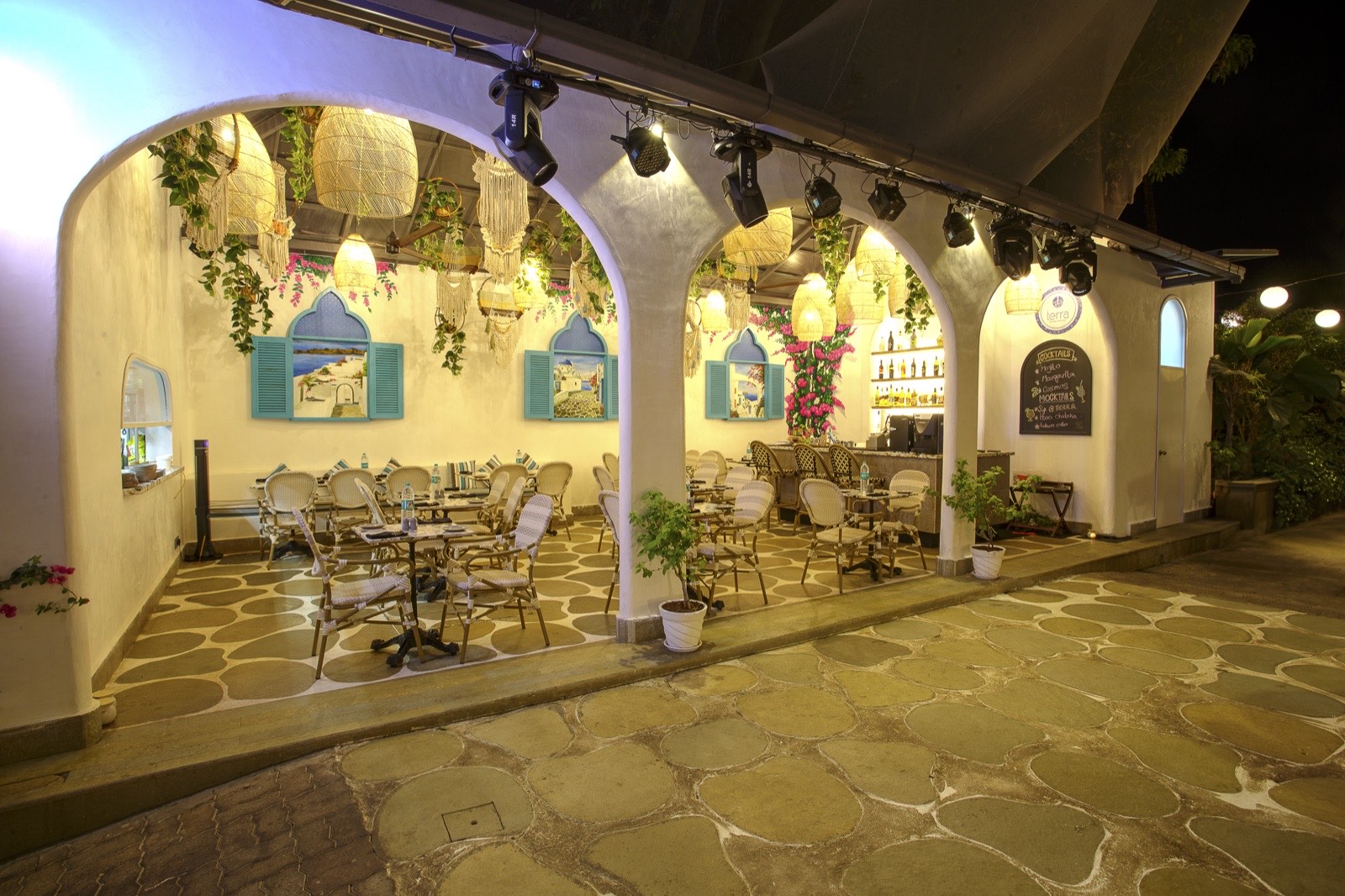
Arpora's Saturday night market: what to expect and how to go
When Arpora's Saturday night market runs, which of its names still applies, what the stalls sell, and how to get there and back from Calangute.
Read the guide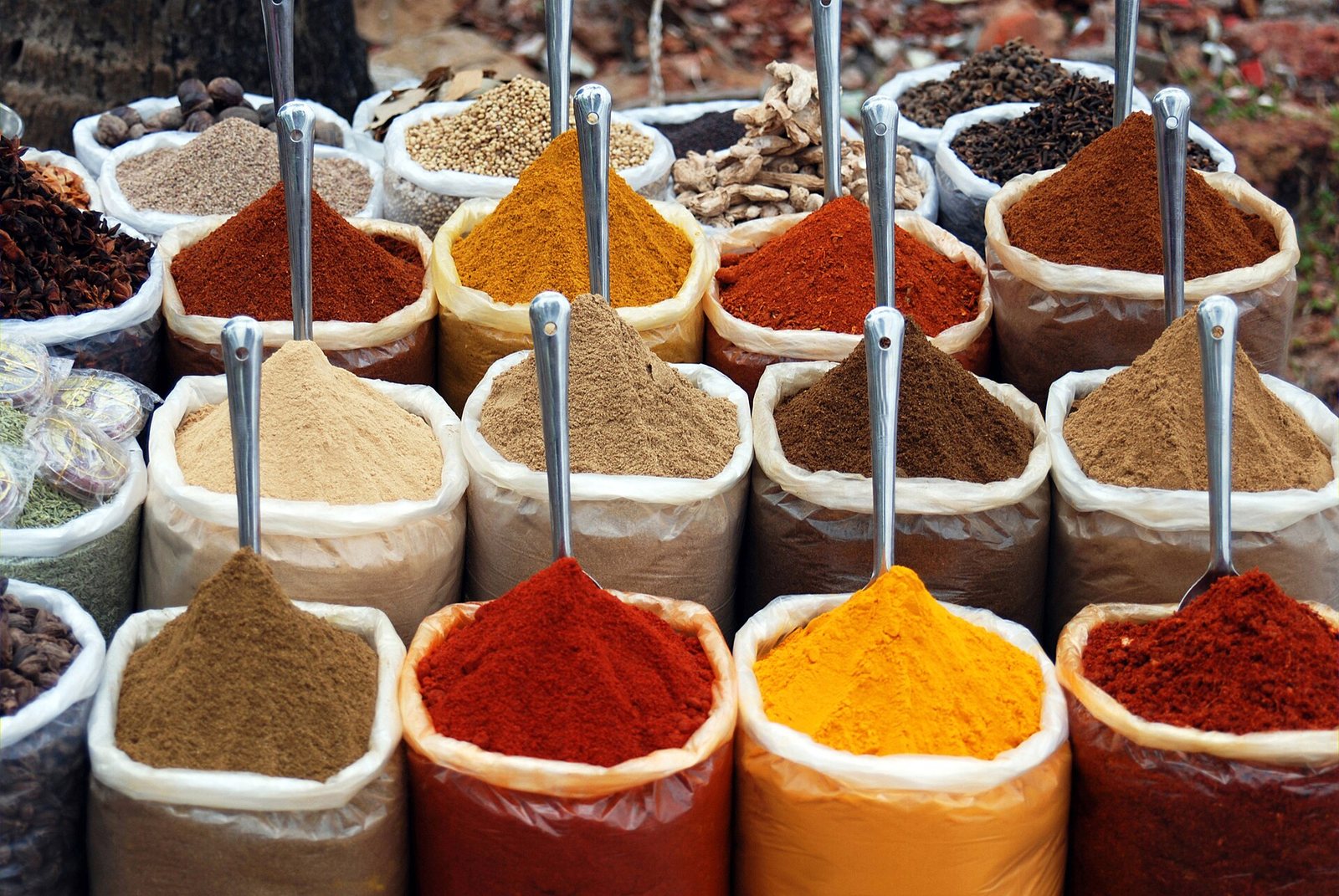
When Anjuna's Wednesday flea market runs, what the stalls sell, how to get there from Calangute, and whether it deserves half your day.
Anjuna's flea market runs on Wednesdays in season, roughly November to April, from about 10 am until sunset. From Calangute it makes an easy half-day with Anjuna beach or Chapora Fort, but it is not the place for Goan-made crafts.
Anjuna's flea market happens once a week, on Wednesdays, in a coconut grove beside Anjuna beach, a little way up the coast from Calangute. Shoppers drift in from about 10 am and traders pack up around sunset. It is a dry-season market, usually running from about November to April.
Whether it deserves your Wednesday depends on what you want from it. Treat it as half a day of browsing and bargaining, then add the beach, Chapora Fort or a sunset at Vagator, and it makes a good day out. Go expecting the free-spirited bazaar of travel legend, or crafts made in Goa, and it can disappoint.
Market day is Wednesday. Visitors start arriving at around 10 am and the market closes by sunset, according to a Gomantak Times report from November 2023. Online listings quote a spread of opening and closing hours, so treat any fixed times as approximate. On market Wednesdays the sun sets just after 6 pm in November and December, around 6:20 pm in mid-January and close to 6:45 pm in March, which is roughly when the day winds down.
The market follows the tourist season. In 2016 The Goan put the first market of the season around mid-November and the last at the end of April, but in late November 2023 Gomantak Times was already reporting from the season's fifth weekly market, so it can be running by early November. Incredible India rates November to February as the best months to visit Anjuna. Outside the season, do not count on finding the market running.
When we published this guide at the end of October 2026, we had not seen a start date for the 2026–27 season. Before you plan a Wednesday around it, check that it has restarted: recent visitor reviews and local news are the quickest guides.
Expect rows of colourful clothes, footwear, jewellery, leather goods, spices, handicrafts and souvenirs, with chai and food stalls in between and the beach beyond. Most stallholders now come from other states: in March 2023 a long-standing trader told Gomantak Times that only ten to fifteen Goans still sold there, though many of the eating places are still run by Goans. When the paper returned in November 2023 it found the wares largely unchanged, and most shoppers were Indian holidaymakers rather than foreign travellers.
The history is part of the draw. According to The Goan, the market grew out of a Wednesday gathering in the late 1960s and early 1970s, when Western travellers who had made Anjuna their home sold or swapped clothes, records, books and other belongings so they could stay on. That informal swap meet is long gone, and what remains is a weekly bazaar with a famous name.
For most first-time visitors, yes, as long as it fills half a day rather than all of it. It suits people who enjoy browsing, people-watching and a little friendly haggling, and it is close: Anjuna lies just beyond Baga and Arpora. If you have already walked a few Goan street markets, much of it will feel familiar. What sets it apart is the setting, under the palms with the sea at the end of the lanes.
It is less rewarding if you are after things made in Goa, since most of the traders come from elsewhere. For that, our guide to Goan crafts worth buying points you to government emporia and genuine local work. For spices, sweets and fresh produce, Mapusa's Friday market is far more Goan. If you would rather shop in the evening with food and music, look at Arpora's Saturday night market, but check first that it is running this season.
Aim to arrive between 10 and 11 am. The air is cooler, the lanes are calmer and traders have time to talk, and the crowd builds as the day goes on. Daytime highs reach close to 35 °C even in December, according to Incredible India, so carry water, wear a hat and take breaks in the shade.
The alternative is to arrive in the late afternoon, browse as the light softens and stay for the sunset. Gomantak Times has reported traders offering sunset discounts as the day ends, but you will have less time and a thinner choice, as some stalls start packing up before dusk.
Anjuna lies north of Calangute, beyond Baga (about 4.5 km from us) and Arpora; The Goan puts Anjuna beach about 5 km from Baga beach. The paper describes the approach as a narrow road past the Anjuna post office that turns into an ordeal on market days, and recommends a two-wheeler as the easiest way in. A car works if you are patient with the cramped lanes, and The Goan mentions parking near the market.
Our Front Desk can help arrange a scooter or motorcycle, a self-drive car or a car with a driver, and with a driver you skip the hunt for a parking space. Anjuna and its market are among the nearby places listed on our location page. If you ride, rider and pillion should both wear helmets, and nobody should ride after a drink.
A little preparation makes the day easier and keeps it friendly on both sides of the stall. These are the habits that help most.
The beach is a short walk from the stalls, with rocks jutting into the sea and coves of sand between them. Swim only where lifeguards have marked a zone with red-and-yellow flags, never where a red flag flies, never after a drink and not after sunset, as Goa's beaches are closed from sunset until 7 am. Keep off damp rocks, which the Tourism Department warns are exposed to breaking surf, and do not jump or dive from them.
Chapora Fort stands on a hill just to the north, with views over Anjuna and Vagator beaches, and Vagator below it is a fine place to watch the sun go down. Our guide to North Goa's forts explains what you will find at the top. Take water, climb in daylight in proper shoes, and be down before dark.
Not on their main days: Anjuna's flea market is on Wednesdays, and Mapusa's big weekly market is on Fridays. The two are about 10 km apart, so each makes a separate, easy outing from Calangute.
Anjuna's weekly flea market is the Wednesday daytime one. The Saturday night market people often mention is in neighbouring Arpora, between Baga and Anjuna, so check which one a listing means and whether it is running this season.
Children who like colour and crowds often enjoy it, especially with the beach at the end. Go in the morning before the heat and the crowds build, keep little ones close in the lanes, and bring water and hats.
Around two hours is enough to walk the lanes and buy a few things without rushing. Allow a couple more if you want the beach, Chapora Fort or a sunset at Vagator.
Photo: Indian spices for sale at the Anjuna flea-market, Anjuna Beach, Goa by sara marlowe, CC BY 2.0, via Wikimedia Commons.
Questions about any of this — or a stay to plan around it? Our team replies within a day.
When Arpora's Saturday night market runs, which of its names still applies, what the stalls sell, and how to get there and back from Calangute.
Read the guide
The touts, padded bills and fake bookings that trip up visitors to Calangute and Baga, how to sidestep each one, and who to call if it happens.
Read the guide
How busy Calangute gets from late December into early January, what changes on the roads at New Year, and how to plan a calm festive stay.
Read the guide