
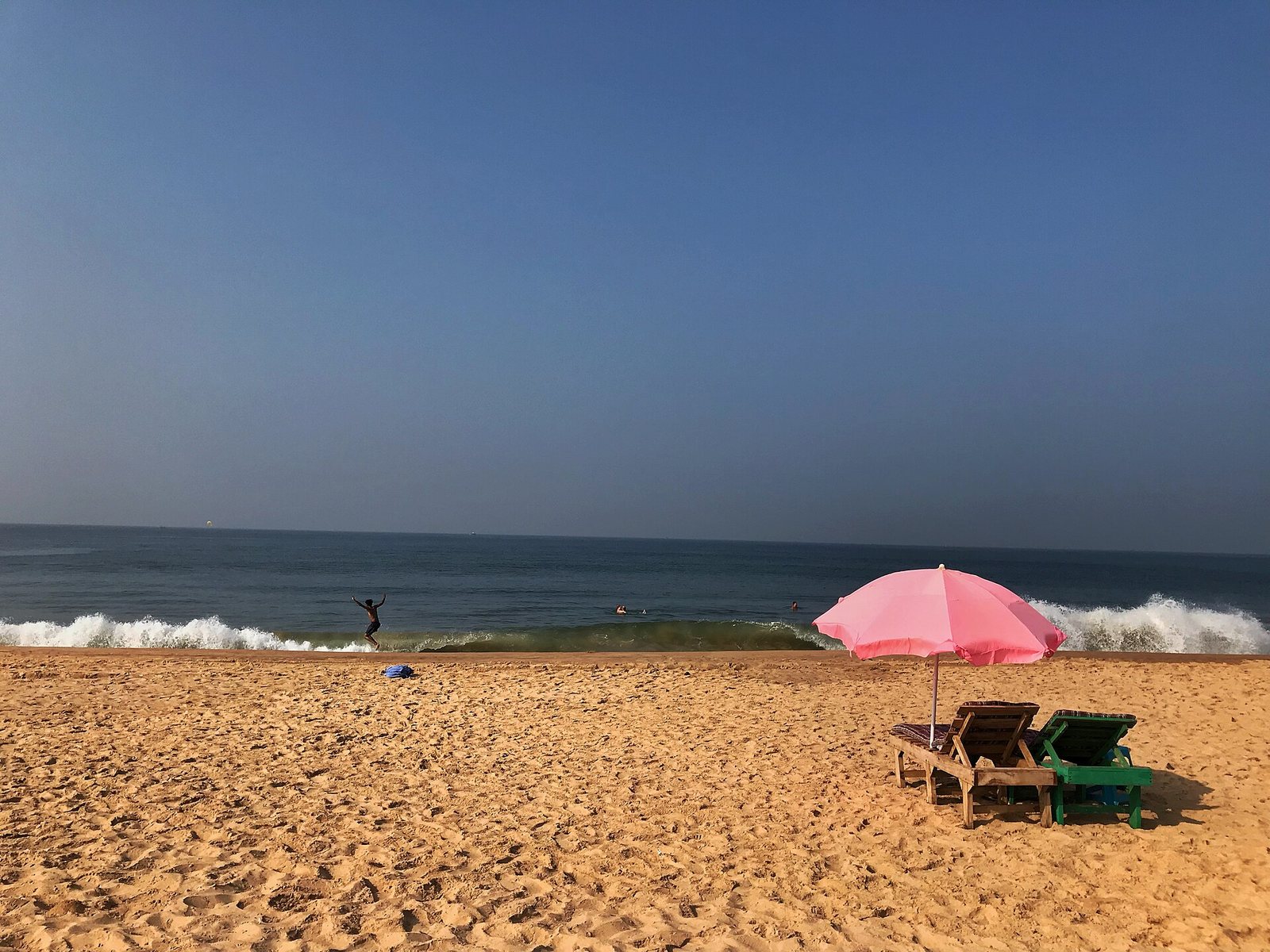
Goa beach rules: what's banned on the sand and the fines
What Goa's tourist-places law bans on the beach, from drinking and cooking to driving and touting, the fines that apply, and where a drink is still allowed.
Read the guide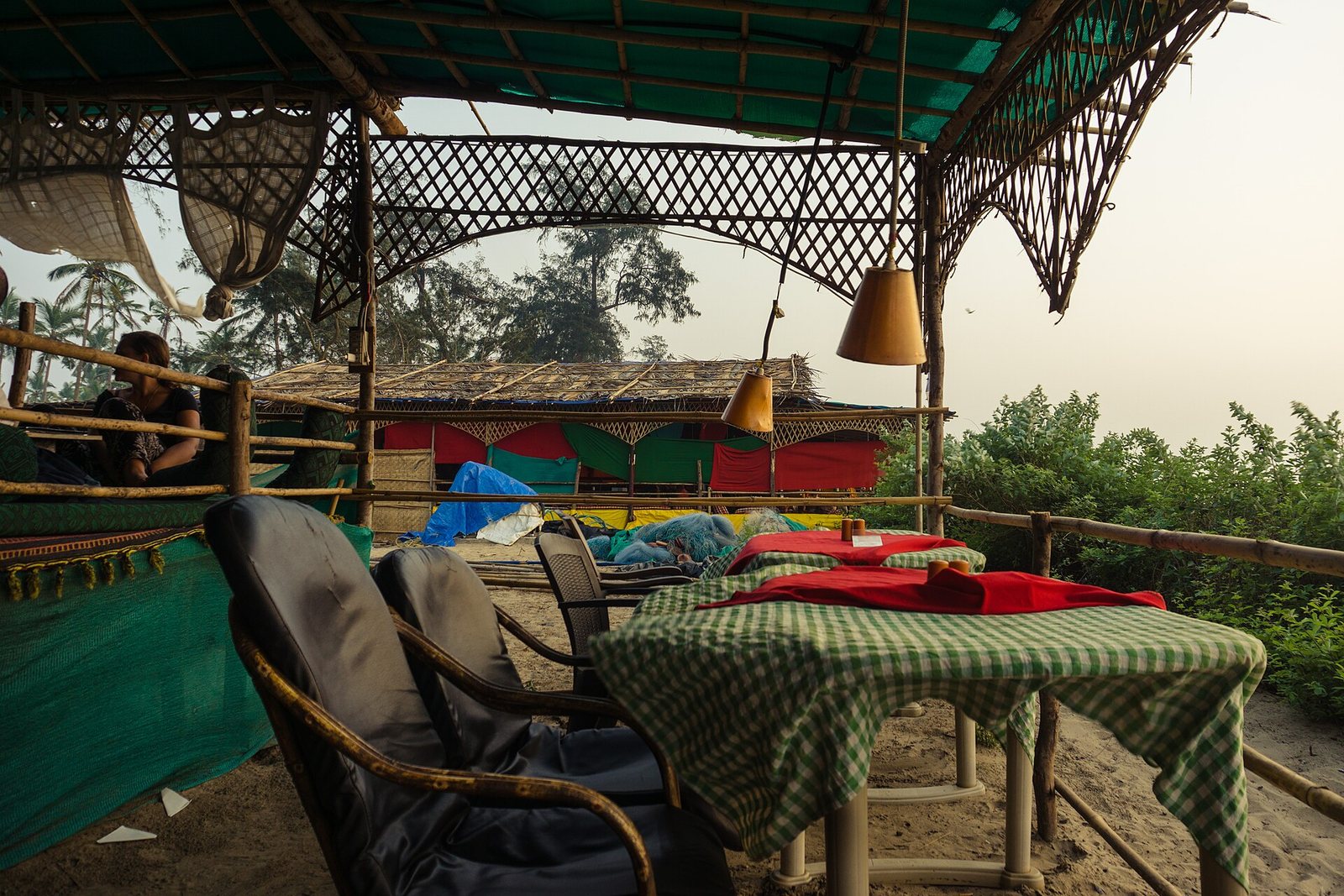
Goa's beach shacks may trade from 1 September to 31 May; here is what the 2026–27 extension means, when they really open and how to pick a good one.
Licensed beach shacks in Goa may trade from 1 September to 31 May and must be cleared by 10 June, a calendar extended unchanged to 2026–27. September and October are still wet, so November onwards is the safer bet.
Goa's beach shacks run to a legal calendar. Under the state's shack policy, licensed shacks may trade from 1 September to 31 May and must be off the sand by 10 June. The government has extended its 2023–26 policy, on the same terms, to the 2026–27 season, so the same calendar applies this winter.
The calendar and the beach don't line up neatly, though. September and October are still rainy, and a shack can take weeks to build and license, so if long lunches by the sea are the point of your trip, plan around November to May.
The dates come from the Goa State Shack Policy, which the Tourism Department uses to license temporary shacks on identified public beach stretches. Its calendar is simple:
The department can also withdraw a licence before the end date for bad weather, beach protection or other public-interest reasons, with no compensation to the operator. Treat 31 May as a deadline, not a promise.
Very little. The 2023–26 policy was written for three seasons. In June 2026 the government chose to extend it for 2026–27 on the same terms rather than bring in a new framework before the season, and the extension was formally notified on 24 September 2026. The tourism minister had aimed to grant renewals before 15 August, so that operators could be ready for 1 September.
One date did move in 2026. As a special measure that year, shacks were allowed to stay open until 10 June, weather permitting, instead of closing on 31 May. Treat that as a one-off. The policy has been extended for just one season and a new framework is still to come, so check the dates again before planning a trip for late 2027.
Not all at once on 1 September. Once the Tourism Department marks out a site, the policy gives the allottee a month to build and two months to obtain the other permissions and licences needed to trade, so a shack can legitimately still be going up weeks into the season. The weather sets the pace too: Japan Meteorological Agency climate normals for Panaji show close to 300 mm of rain in September and about 160 mm in October, against about 21 mm in November.
Sunbeds in front of hotels and restaurants need a permission of their own. A Tourism Department notice issued in October 2026 invites hotels, restaurants and private shack operators whose land adjoins the beach to apply for sunbeds, umbrellas, tables and chairs on the sand for 1 November 2026 to 31 May 2027. If shacks are central to your plans, November onwards is the safer bet; in September and early October, expect a thinner choice.
In May, yes, until the 31st, though the weather starts to turn. Panaji averages about 77 mm of rain in May, up from about 5 mm in April, with close to 870 mm to come in June. Because the department can pull licences early in bad weather, treat the last week of May as a wind-down rather than the height of shack season.
From June to August no government shacks trade, and by 10 June their structures should be gone from the sand. Permanent restaurants and cafés behind the beach keep their own hours, so check before you set out on a rainy afternoon.
The policy holds licensed shacks to a fairly detailed standard. The menu must include freshly cooked Goan cuisine, which makes a shack a good place to try the dishes in our guide to what to eat in Goa. Prices must be displayed, customers charged only those prices, and bills printed with a GST number. Every shack must also have a card machine and accept UPI.
Staff must wear uniforms and carry Tourism Department ID cards, a portable toilet is compulsory, and CCTV must run whenever the shack is open. Music should be audible only inside the shack, and drinks in glass bottles may not be served or carried beyond its fenced area. Our guide to Goa's beach rules and fines covers what is banned on the open sand.
A licensed, well-run shack is easy to spot once you know the signs. Check these before you sit down, rather than when the bill arrives.
On beaches identified as turtle-nesting sites, such as Morjim and Mandrem across the Chapora river, the policy is stricter. From 6 PM until sunrise, shacks there must not operate or set out sunbeds, light up the beach, play loud music, host parties or let off fireworks, and indoor lights must be muted and shielded on the sea side.
Each breach costs the operator ₹1 lakh in compensation under the policy. Plan a shack lunch there rather than a late dinner, and read our guide to Olive Ridley turtles at Morjim and Mandrem before you go.
The policy lists six shack stretches in Calangute alone, including Gauravaddo, the ward Ocean Palms Goa sits in, and six more in Candolim next door. Our nearest beach is about 650 m away, a walk down Holiday Street past cafés, restaurants and small shops. The main Calangute beach is about 2.5 km away and Baga about 4.5 km, and our Front Desk can arrange a taxi or suggest a stretch for the day.
When the shacks are down, or you fancy a night off the sand, eat in. Nautilus serves buffet breakfast and dinner, and The Terra, a Times Food Award winner in 2024, 2025 and 2026, serves global cuisine from 11 AM to 10:30 PM, with live bands, DJs and shows from Thursday to Sunday, 7:30 to 10 PM. Goan cooking is among the cuisines served at our restaurants.
They stand on the public beach inside Goa's coastal regulation zone, so they are allowed only as temporary, seasonal structures. The policy asks for bamboo or wooden poles with thatched roofs as far as possible, bans concrete outright, and requires each site to be cleared and left clean by 10 June.
Licences go to people of Goan domicile who have no other job, pension or business, with one shack per family and a draw of lots where applicants outnumber places. Subletting is banned, and 10% of shacks are set aside for applicants with no previous experience.
Not quite. A government shack is a temporary structure on the public beach, allotted under the shack policy. Hotels, restaurants and private shacks on their own land behind the beach need a separate Tourism Department permission to put sunbeds and tables on the sand, and must clear the sunbeds and umbrellas away immediately after sunset.
Not if you have had a drink: Drishti, the lifesaving agency on Goa's beaches, says not to enter the sea after any amount of alcohol. Otherwise swim only in zones marked by red-and-yellow flags, where lifesavers are watching, stay out where red flags fly, and never swim after sunset, as beaches are closed for swimming until 7 AM.
Photo: In a shack on the Arambol Beach, December, 2017 by Alexey Komarov, CC BY-SA 4.0, via Wikimedia Commons.
Questions about any of this — or a stay to plan around it? Our team replies within a day.
What Goa's tourist-places law bans on the beach, from drinking and cooking to driving and touting, the fines that apply, and where a drink is still allowed.
Read the guide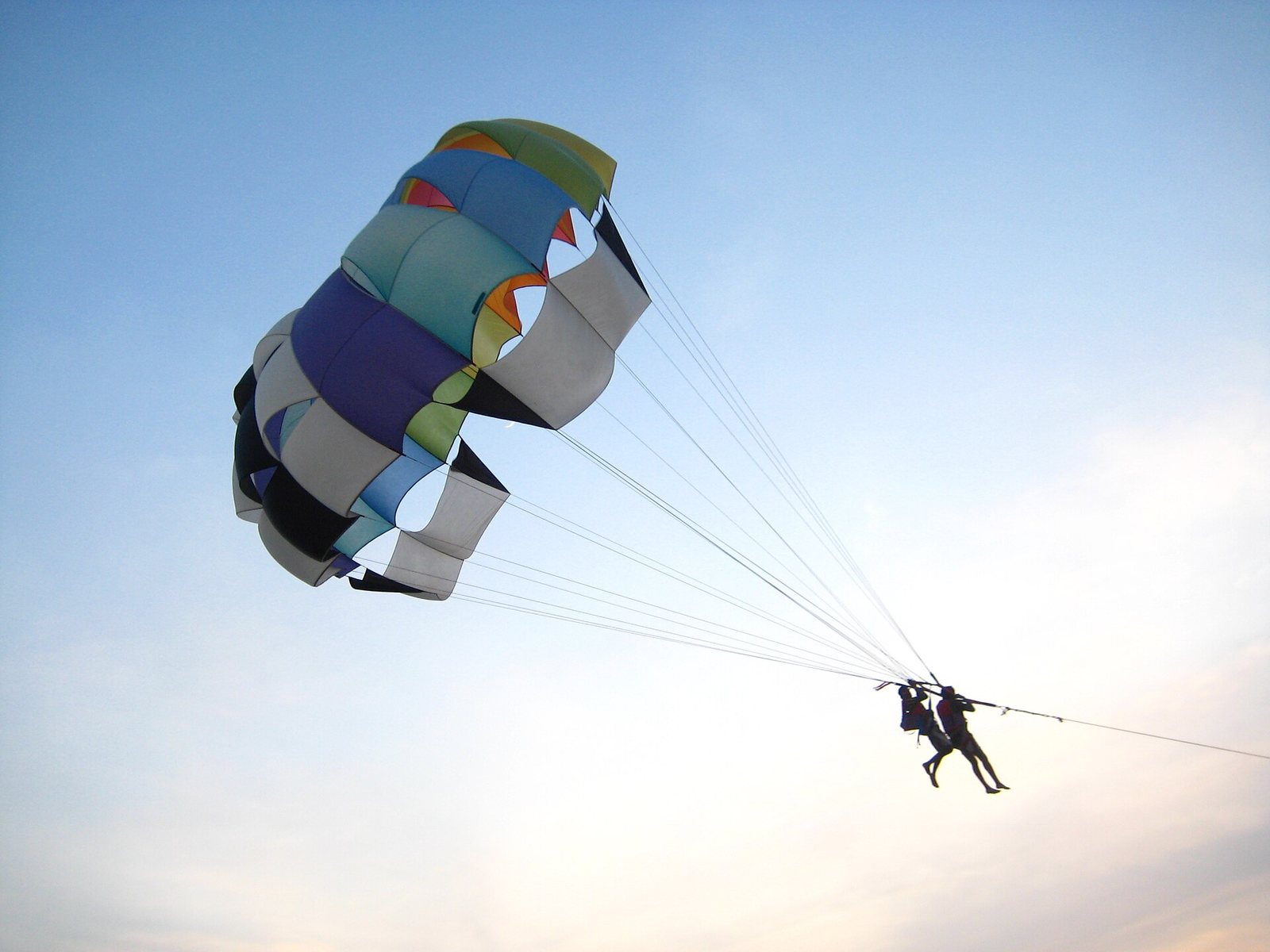
The water-sports rates Goa notified in October 2025, where to buy tickets at Calangute and Baga, and the checks to make before you board a boat.
Read the guide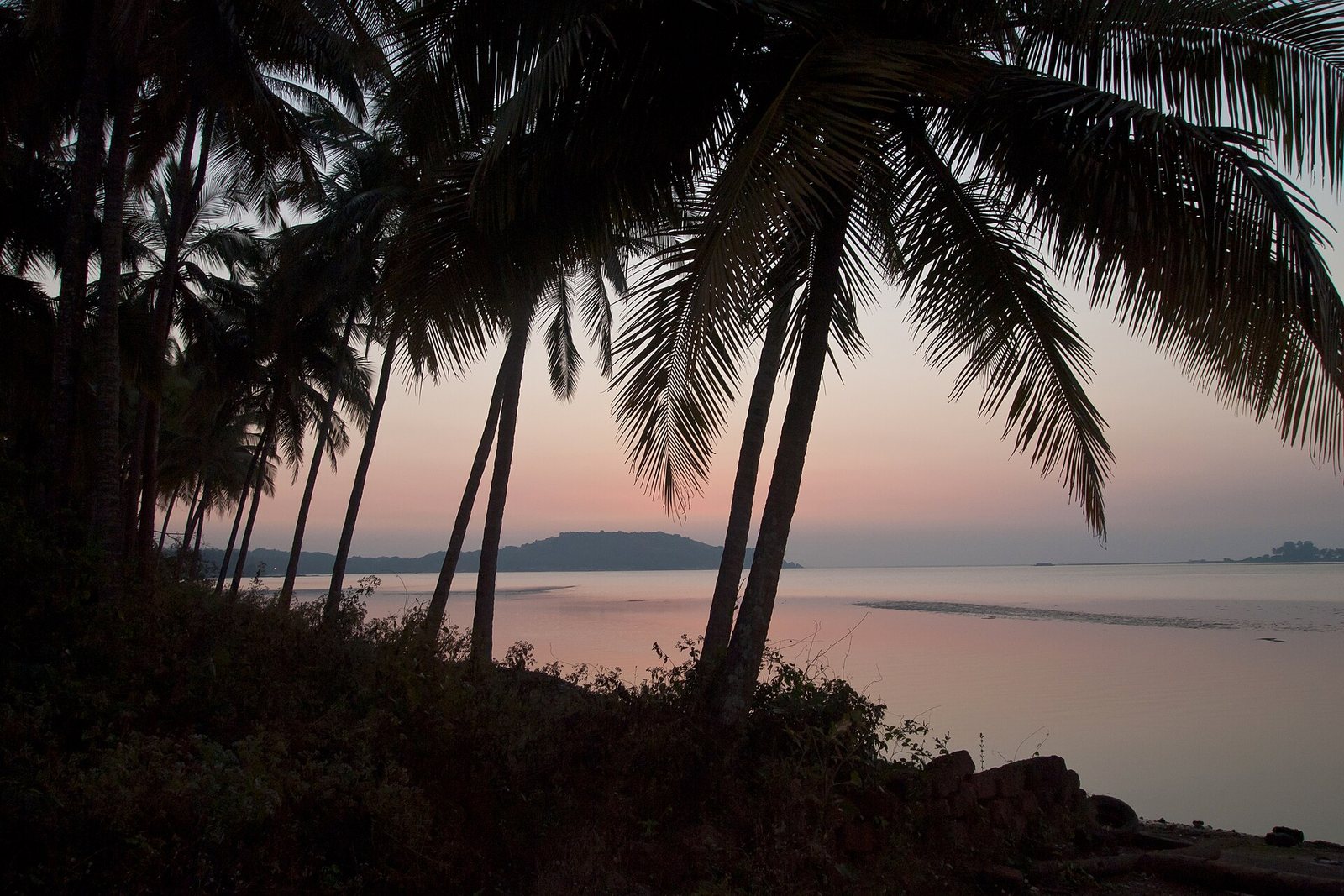
Where to watch the sun go down, from the beach near Calangute to Chapora Fort and Arambol, with sunset times for every month and dusk safety tips.
Read the guide