
Anjuna's Wednesday flea market: what to expect and when to go
When Anjuna's Wednesday flea market runs, what the stalls sell, how to get there from Calangute, and whether it deserves half your day.
Read the guide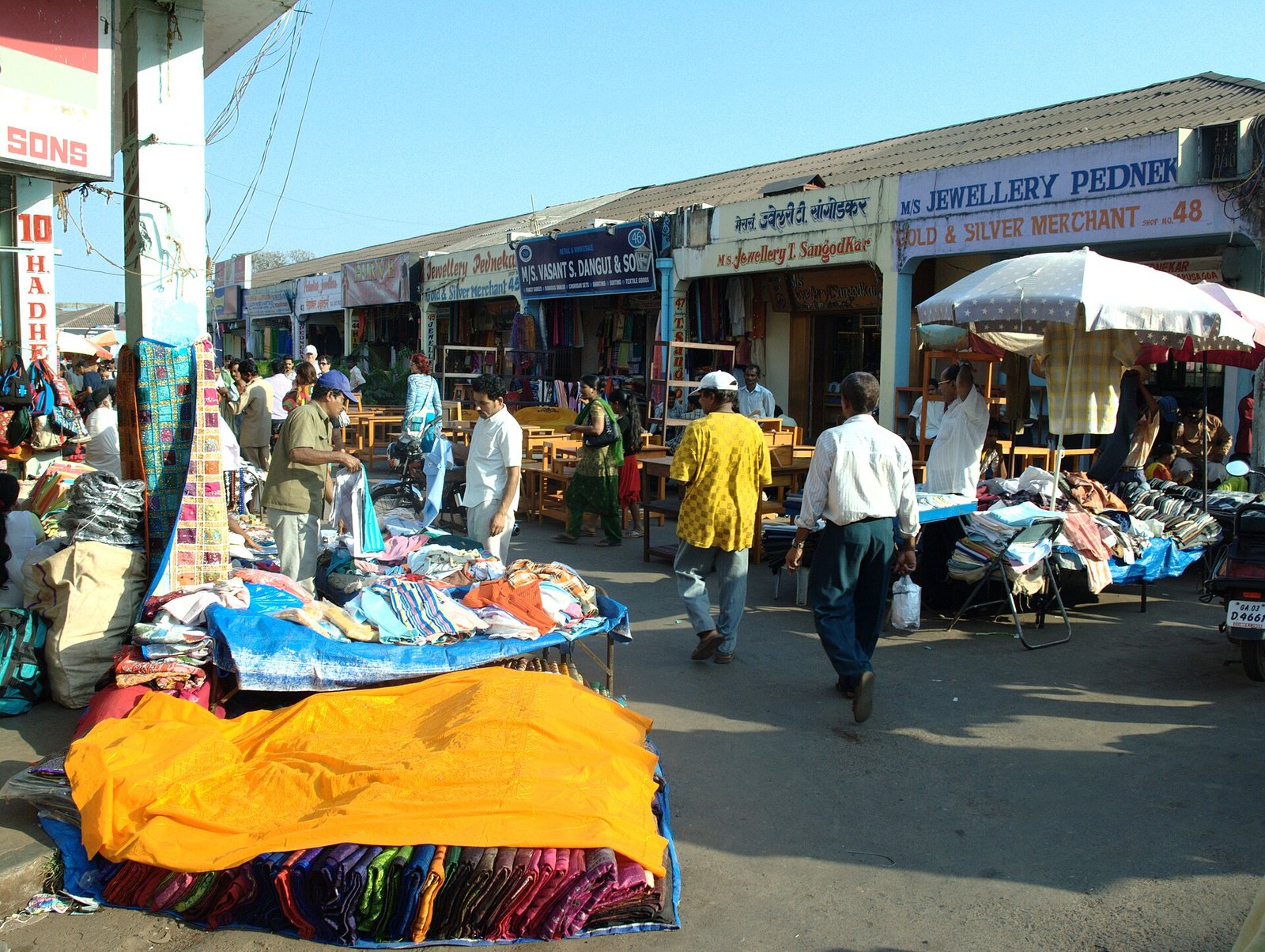
What to buy at Mapusa's Friday market, from chouriço and amot to venis and old pottery, plus when to go and how to get there from Calangute.
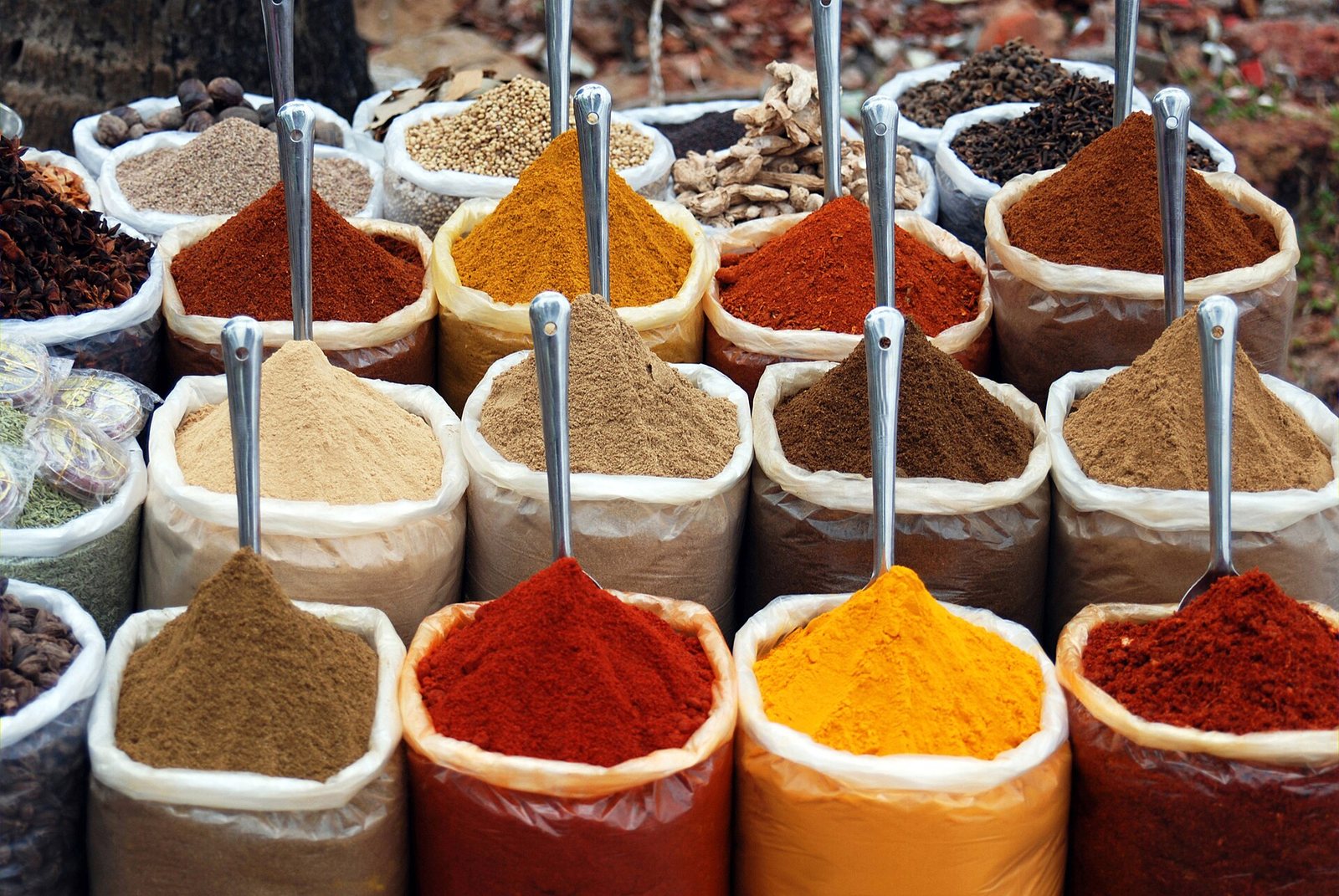
On Fridays, farmers and traders from across Goa fill the lanes around Mapusa's municipal market with spices, chouriço sausages, amot (seedless tamarind), dried fish, sweets, flowers and old ceramics. Go in the morning; it winds up by dusk.
Mapusa is a commercial hub in Bardez, the North Goa taluka that Calangute also belongs to, and on most days it is a place for errands rather than sightseeing. On Friday morning that changes. Farmers, village women and small traders arrive from across Goa and fill the lanes around the municipal market and the main bus stand with produce, spices, flowers and sweets.
It is a market for Goan households, not a show put on for visitors, and that is the reason to go. Come for chouriço, seedless tamarind and fresh bread rather than beachwear, arrive in the morning and bring cash.
Friday is when the rest of Goa comes to town. Farmers and small traders bring in produce from across the state, women from the surrounding villages come in to sell what they grow, and households from Bardez and Tiswadi arrive to shop, as Outlook Traveller describes the scene. By dusk the stalls are packed away, and Mapusa settles back into an ordinary town until the next Friday.
The stalls carry what Goan kitchens use, from spices and pickles to dried fish and fresh vegetables, and most of the shoppers around you are locals. The Goa Tourism Development Corporation (GTDC) points out that you can find local varieties of vegetables that are hard to come by elsewhere, and saplings for anyone with a garden.
Trade may be written into the town's name. The Goan's 2025 history of the market gives two explanations. One traces Mapusa to Mahapasaita, a large grant of land to an officer in return for his service. The other, a local legend, pictures a great open grain bazaar where every sale was measured out in a hollow wooden maap, filled and emptied again and again.
Under Portuguese rule the town was Mapuçá, a key administrative centre for Bardez, and it took its present spelling after Goa joined India in 1961. Outlook Traveller notes that it has been a market town for many centuries, said to have prospered with the blessings of Lord Bodgeshwar, whose devotees boosted a trade in oil, lamps, fruit, flowers and coconuts. The present market was built in 1960.
Shop as a Goan cook would. What is on the tables shifts with the seasons, but these are the staples to look for.
If you are buying for others, note that chouriço is pork and that bebinca, Goa's layered dessert, is made with egg yolks. Liquor shops nearby sell feni and other spirits; the rules on taking alcohol out of Goa depend on your airline and on the state you are travelling to, so check before you buy.
Away from the food, The Goan's 2025 portrait of the market found vintage stalls with old glassware, ceramic jars, antique Portuguese blue pottery and timeworn vinegar and pickle jars, as well as rows of tailors at their sewing machines. It is good browsing, and a small piece makes a fine reminder of the trip. Buy it because you like it, not for its claimed age.
Not everything here is Goan-made. Lamani women sell mirrored blouses, skirts and bric-a-brac, and GTDC lists clothes, household goods, upholstery and furniture among the wares. For crafts with real Goan roots, our guide to Goan crafts worth buying explains what to look for and where.
Go on a Friday morning. GTDC says vendors set up early and shoppers start pouring in from about 9 am, sometimes sooner, and it suggests setting aside a few hours. Arriving early gives you first pick and the coolest part of the day, before the midday heat.
There are no official opening hours, so treat any timings you read as a guide and check locally before you set off. Festival weeks bring bigger crowds: the day before Ganesh Chaturthi in 2025, The Goan reported markets in Mapusa, Ponda, Panaji and Margao packed with shoppers. The dry months from November to February are usually the most comfortable for a long wander.
Kadamba (KTCL) routes 33 and 34 run between Panaji and Mapusa by way of Calangute and Saligao, so the bus is an option. Our guide to Kadamba buses from Calangute explains how Goa's buses work and where to check current timings.
A car is easier if you expect to come back with heavy bags. The Front Desk at Ocean Palms Goa in Calangute can arrange a car with a driver and help you plan the rest of the day. If the driver is to wait for you, agree the waiting time and the fare before you set off.
Walk one full lap before you buy, since the same spice or pickle often turns up at several stalls. If you bargain, do it gently and with good humour: many of the sellers are farmers and village women selling what they grew themselves.
For what keeps and travels best, see our guide to edible souvenirs from North Goa. It covers cashews, sweets and spices, and how to pack them for the journey home.
Breakfast is included with every room at Ocean Palms Goa, and Nautilus, where the breakfast buffet is served, opens at 7:30 AM. Eat early, set off soon after, and you can be at the market while it is still cool.
If you want to see more of Mapusa, GTDC points visitors to St Jerome's Church, better known as Milagres Church and sacred to Christians and Hindus alike, and to the Bodgeshwar Temple. Dress modestly for both, as Goa's Tourism Department asks of everyone visiting a place of worship.
Yes. The market building and the shops around it trade on most days, but the farmers, village sellers and visiting traders who make the Friday market come in for Friday. On another day you will find an everyday town market, fine for errands but not worth a special trip.
It is a weekly market for local households rather than a tourist-season fair, so it usually carries on through the rains, roughly June to September, though heavy downpours can thin out the stalls. On a very wet Friday, check locally before you set off and wear footwear you don't mind getting wet.
Don't rely on it. Some stalls are cash-only, so take enough cash in small notes. Ocean Palms Goa doesn't exchange foreign currency, but the nearest ATM is within 300 m of the resort.
Anjuna's Wednesday flea market and Arpora's Saturday night market run in the tourist season, roughly November to April, and lean towards clothes, jewellery and souvenirs. Mapusa's is a local food and produce market first. Because they fall on different days, a week in season can take in all three; check the seasonal ones are running, and start with our guide to Anjuna's Wednesday flea market.
Yes, if you go early, before the heat and the crowds build. Keep small children close in the busy lanes, and plan a sit-down break for anyone who tires easily.
Photo: Colours of the Mapusa Friday weekly market, in Goa, India. by Frederick Noronha, CC BY-SA 4.0, via Wikimedia Commons.
Questions about any of this — or a stay to plan around it? Our team replies within a day.
When Anjuna's Wednesday flea market runs, what the stalls sell, how to get there from Calangute, and whether it deserves half your day.
Read the guide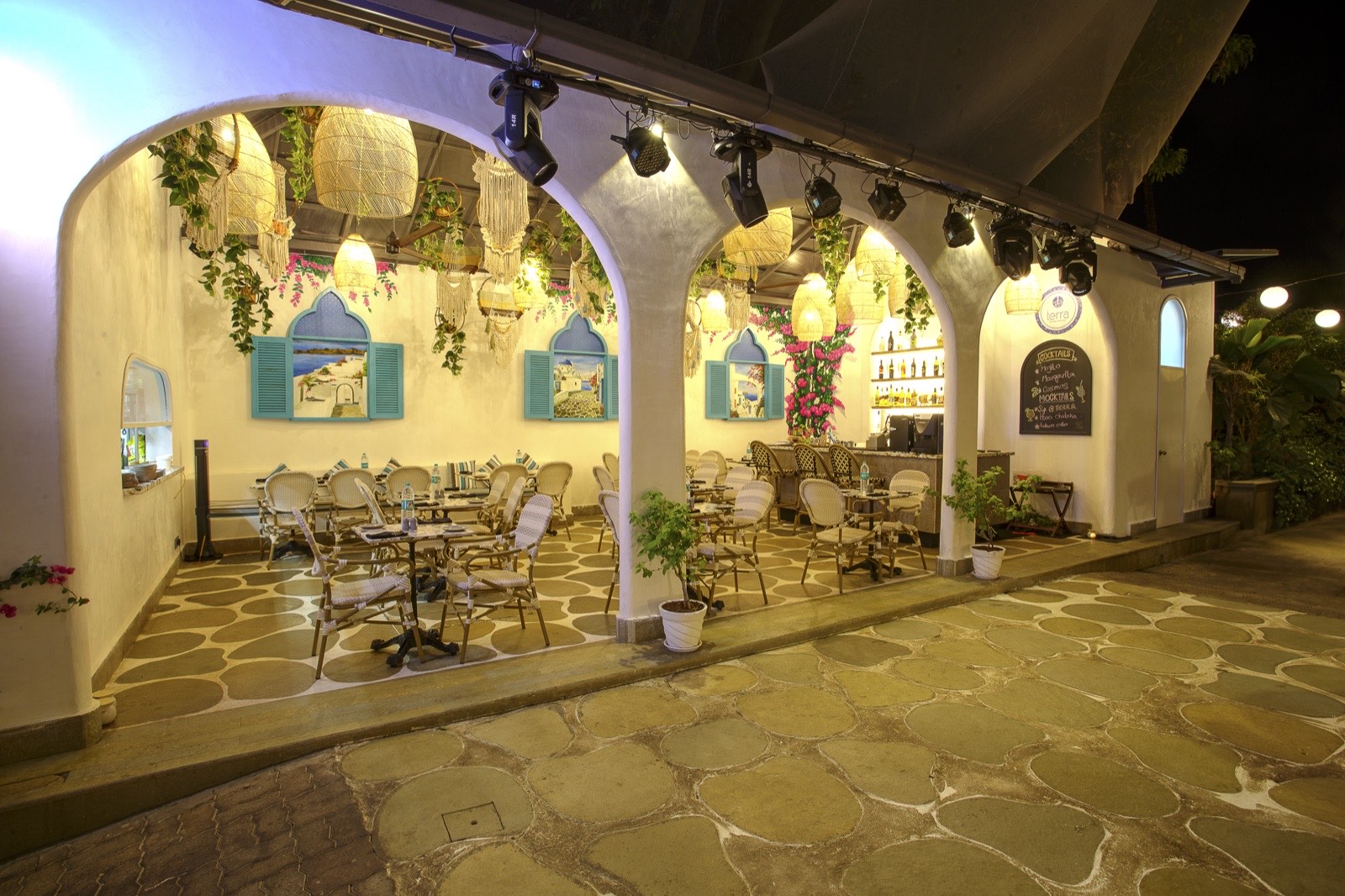
When Arpora's Saturday night market runs, which of its names still applies, what the stalls sell, and how to get there and back from Calangute.
Read the guide
The touts, padded bills and fake bookings that trip up visitors to Calangute and Baga, how to sidestep each one, and who to call if it happens.
Read the guide